
⚔️ Introduction: So, About Those Vikings…
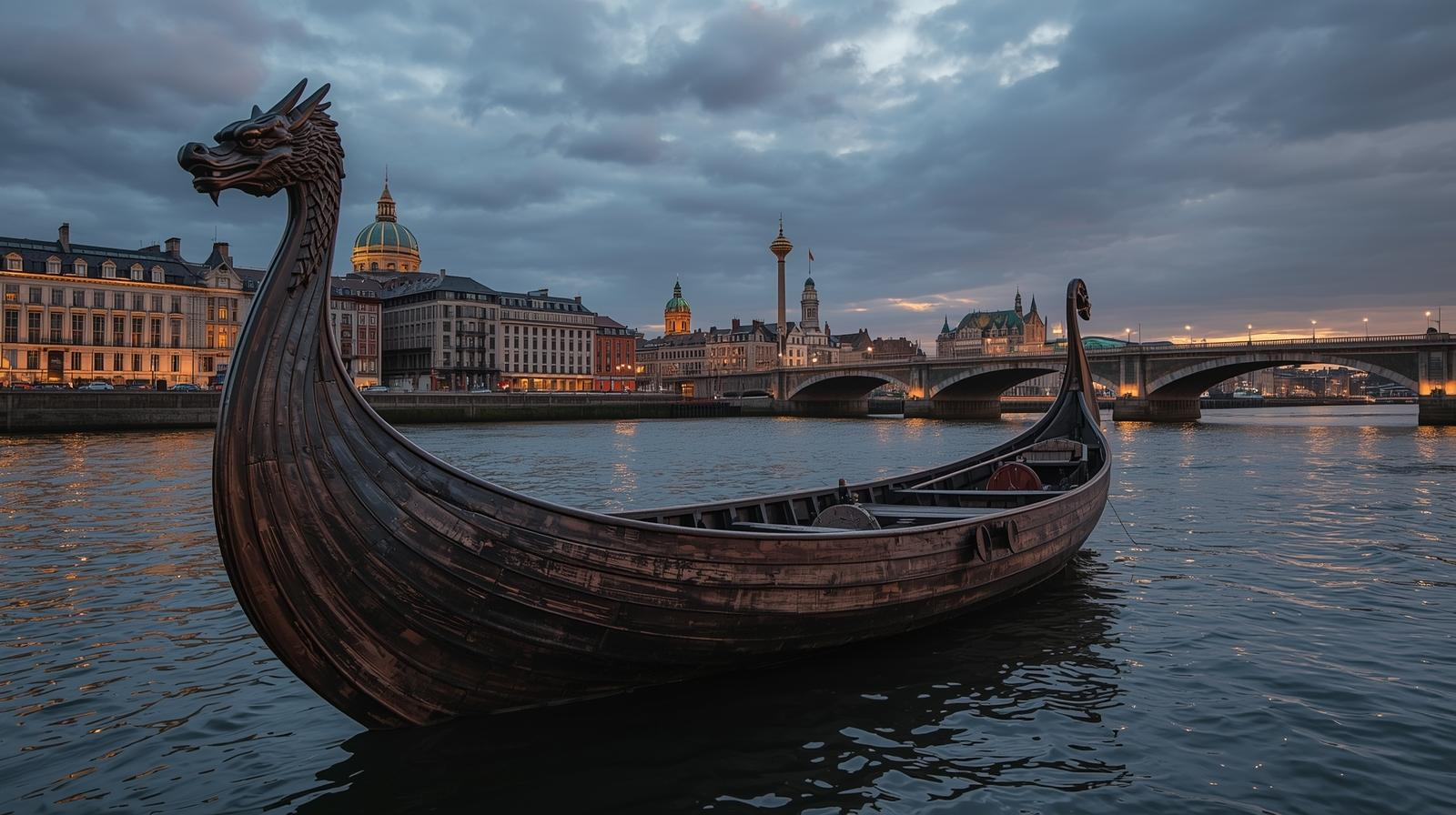
When most people picture the Vikings, they imagine horned helmets, longships, and a lot of shouting.
But when the Norse arrived in Ireland around 795 AD, they brought more than just chaos — they brought trade, towns, and tales that still echo across the island today.
At Valhalla Tours, we believe every hill and harbour holds a story. And the Vikings? They left quite a few behind.
🛶 1. The First Raids: Monks, Gold, and Misunderstandings
It all began with a small “visit” to Lambay Island near Dublin.
The Vikings saw monasteries not as places of prayer, but as ancient banks — full of shiny objects and very little security.
By the 9th century, the Norse had hit sites like Glendalough and Skellig Michael, proving that early Irish hospitality sometimes had its limits.
🏰 2. From Raiders to Residents
Eventually, even Vikings got tired of rowing. They settled — founding cities like:
- Dublin (Dubh Linn): “Black Pool,” the heart of Viking Ireland.
- Wexford (Veisafjǫrðr): “Bay of Mudflats,” where they probably also discovered rain.
- Waterford (Veðrafjǫrðr): “Windy Fjord,” because weather-based naming never goes out of style.
These ports became bustling trading hubs that shaped Ireland’s economy, architecture, and even language.
🪓 3. Norse Meets Gael: Frenemies Forever
The Vikings and the Irish weren’t just enemies — they intermarried, traded, and occasionally teamed up to fight someone else entirely.
Over time, cultures blended: Norse craftsmanship met Celtic artistry, and Irish myths soaked up a little northern grit.
Even today, surnames like Doyle (from Ó Dubhghaill, “descendant of the dark foreigner”) hint at Viking roots.
🪙 4. What You Can Still See Today
Walk through Dublin, and you’re literally walking over a Viking town.
- Dublinia Museum: Interactive exhibits, replicas, and Norse artefacts.
- Wood Quay: Archaeological remains of Dublin’s original Viking settlement.
- Waterford’s Reginald’s Tower: Ireland’s oldest civic building, built by the Norse themselves.
⚔️ 5. Legacy of the Northmen
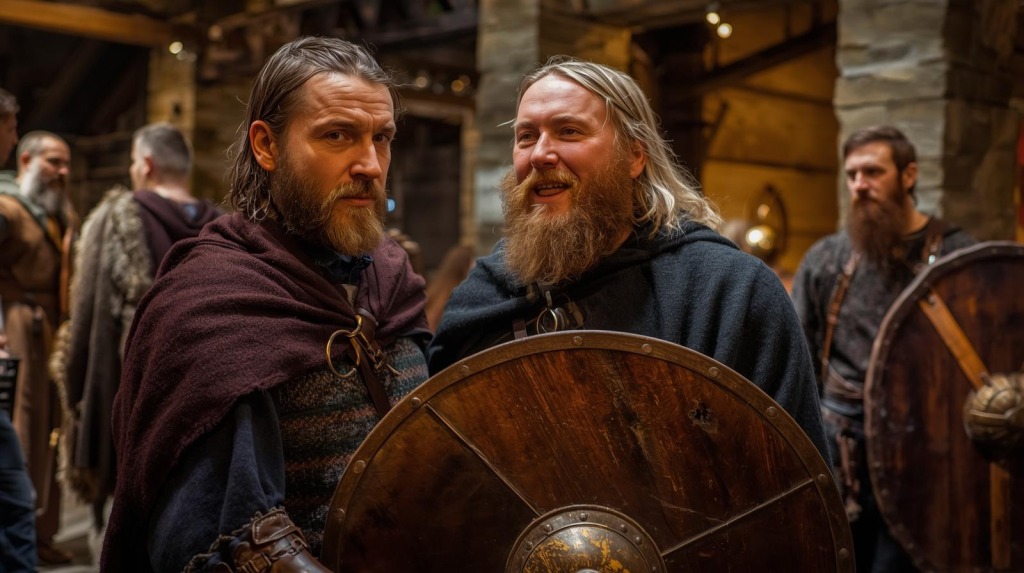
Today, Ireland’s Norse past lives on in language, art, and the stubborn Irish tendency to persevere through bad weather and good stories alike.
And when you travel with Valhalla Tours, you’re not just seeing history — you’re standing in it.
👉 Read Valhalla and Ireland: Where Norse Legends Meet the Emerald Isle